The modern printing landscape thrives on versatility. Labels, flexible packaging, and a myriad of specialty print applications demand the ability to handle an ever-expanding array of substrates. From delicate films and sensitive foils to robust plastics and traditional papers, each material presents unique challenges. Achieving consistent, high-quality curing across this spectrum is paramount for both performance and aesthetics. This is where advanced LED UV automation solutions are revolutionizing the industry.
The Challenge of Substrate Variability in UV Curing
Traditional UV curing systems, often relying on mercury vapor lamps, face significant hurdles when confronted with diverse substrates. These lamps emit a broad spectrum of UV light and heat. Certain sensitive materials can be damaged by excessive heat, leading to deformation, color shift, or loss of material integrity. Conversely, some substrates might require a more intense or specific wavelength of UV light for complete and rapid curing. Achieving the right balance for each material can be a time-consuming and often imperfect process.
Moreover, the distance between the lamp and the substrate, the speed of the printing press, and the ink formulation all play critical roles in the curing process. Variations in any of these factors can lead to under-curing, resulting in smudging, poor adhesion, and chemical resistance issues. Over-curing, while less common, can also degrade the substrate or ink. Manual adjustments to compensate for these variables are often reactive, inefficient, and prone to human error, especially in high-speed production environments.
The Precision of LED UV Technology
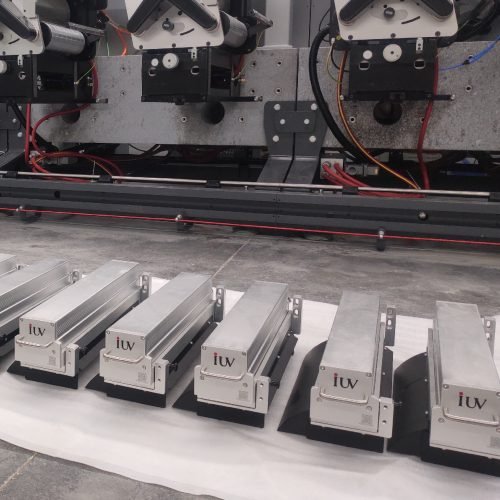
Light Emitting Diode (LED) UV technology offers a fundamentally different approach to curing. Unlike mercury lamps, LEDs emit a highly specific wavelength of UV light. This precise emission allows printers to select the optimal wavelength for their inks and coatings, ensuring efficient energy transfer and rapid polymerization. This targeted approach minimizes wasted energy and significantly reduces heat transfer to the substrate.
The benefits of this specificity are manifold. For heat-sensitive films and foils, the drastically reduced heat output prevents distortion and preserves the material’s properties. For challenging substrates that may have been difficult to cure with conventional lamps, the ability to tailor the LED output means achieving thorough and reliable curing. This consistency is invaluable for brand owners who demand flawless product appearance and performance.
Automation: The Key to Uninterrupted Consistency
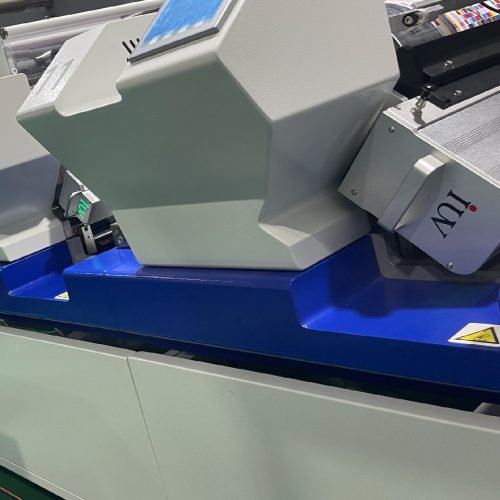
While LED UV technology provides the precise tool, automation transforms it into a seamless, high-performance solution. Automation in LED UV curing systems addresses the inherent variability of production by dynamically adjusting and controlling key parameters. This ensures that optimal curing conditions are maintained, regardless of the substrate or running conditions.
Automated systems integrate seamlessly with modern printing presses. They can monitor press speed and automatically synchronize the LED output. If the press speed increases, the LED power or exposure time can be adjusted in real-time to ensure adequate curing. This eliminates the need for manual intervention, preventing costly slowdowns and ensuring consistent quality batch after batch.
Tailoring Solutions for Specific Print Sectors
The printing industry is not monolithic. Different sectors have unique demands that LED UV automation solutions are designed to meet.
Narrow Web and Label Printing
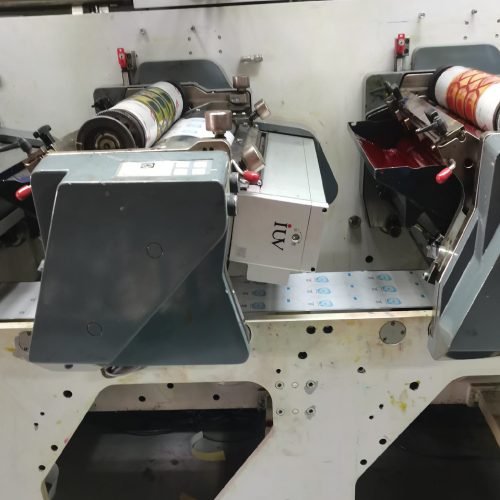
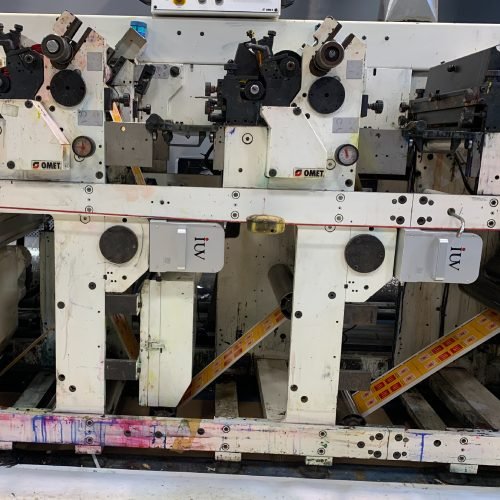
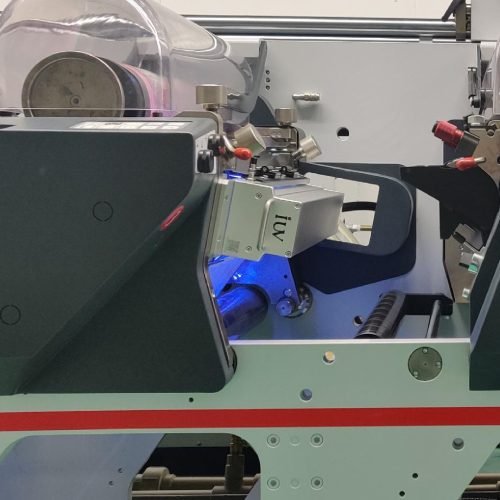
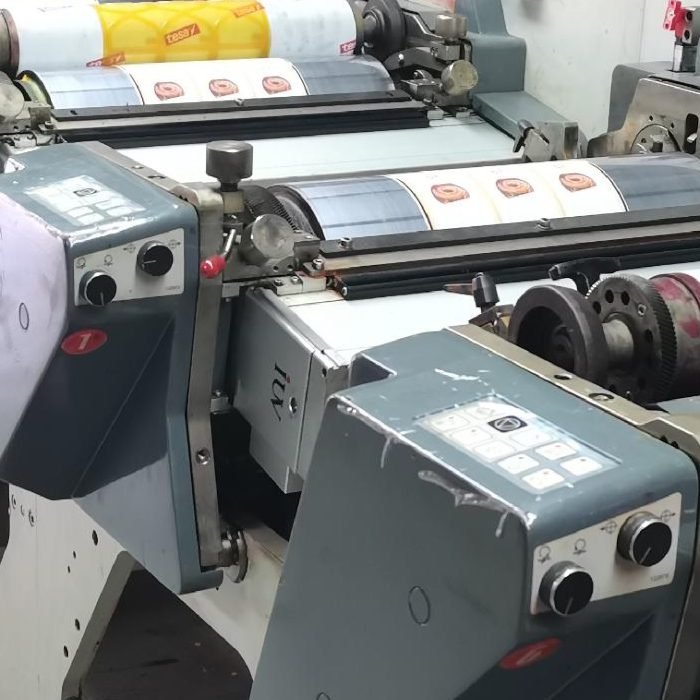
In the narrow web sector, space is often at a premium, and production speeds are exceptionally high. Labels printed on a vast array of materials – from clear films and metallic foils to textured papers – require precise curing. Automated LED UV systems can be integrated into compact flexographic and digital narrow web presses. They offer instant on/off capability, crucial for reducing energy consumption during web stops. The precise wavelength control is vital for achieving excellent adhesion and rub resistance on challenging substrates like polyethylene and polypropylene. Consistent curing ensures that labels remain intact and vibrant through the entire product lifecycle.
Flexible Packaging
The flexible packaging market demands flexibility in both material handling and print performance. Pouches, sachets, and lidding films often utilize complex multi-layer constructions. Achieving good adhesion between layers and ensuring the cured ink or coating does not migrate into the product are critical. LED UV automation provides the necessary control. Reduced heat is essential for preventing delamination of sensitive films. The ability to cure at high speeds ensures throughput while the precise control over UV intensity and wavelength guarantees that inks and coatings are fully polymerized, meeting stringent food safety and performance standards.
Offset and Sheetfed Printing
While historically reliant on different curing technologies, offset and sheetfed printers are increasingly adopting LED UV for its benefits. For applications involving coated papers, plastics, or synthetic substrates, LED UV offers superior performance and reduced energy costs. Automation allows these presses to adapt quickly to different jobs and substrates without extensive manual setup. The ability to achieve immediate dry-to-dry printing on a variety of materials streamlines post-press operations, such as stacking and finishing, and expands the range of applications possible with sheetfed presses.
Advanced Features Driving Consistent Curing
Modern automated LED UV curing solutions incorporate several advanced features to guarantee consistent results across variable substrates:
- Dynamic Wavelength Control: The ability to switch between or blend different LED wavelengths allows printers to optimize curing for a wider range of ink chemistries and substrate types. This is particularly beneficial for printers handling a very diverse job mix.
- Integrated Process Monitoring: Sensors can monitor UV irradiance, temperature, and other critical parameters in real-time. This data is used by the automation system to make instant adjustments, ensuring that curing remains within specified tolerances.
- Pre-programmed Curing Profiles: For common substrates and ink types, systems can store pre-defined curing profiles. This allows for rapid job setup and reduces the likelihood of errors when switching between different print jobs.
- Closed-Loop Feedback Systems: These systems continuously measure the curing output and adjust parameters to maintain a target level of cure. This ensures that even if external factors like ambient temperature fluctuate, the curing remains consistent.
- Smart Power Management: Automated systems optimize power consumption by only activating LEDs when and where they are needed, further reducing energy costs and extending the lifespan of the LED arrays.
The Economic and Environmental Advantages
Beyond technical performance, automation in LED UV curing offers significant economic and environmental advantages. The reduced energy consumption compared to traditional mercury lamps translates directly into lower operating costs. The extended lifespan of LED arrays also minimizes maintenance and replacement expenses.
Furthermore, the precise control and consistent curing reduce waste. Fewer rejected jobs due to curing issues mean less wasted ink, substrate, and time. This not only saves money but also contributes to a more sustainable printing operation. The elimination of ozone, a byproduct of mercury lamps, also improves workplace safety and reduces the need for extensive ventilation systems.
The Future of Printing is Automated and Precisely Cured
As the demands for higher quality, greater efficiency, and expanded substrate capabilities continue to grow, automated LED UV curing solutions are becoming indispensable. They provide the precision, flexibility, and reliability needed to navigate the complexities of modern printing. By mastering the art of consistent curing across variable substrates, printers can unlock new opportunities, enhance their competitive edge, and deliver exceptional value to their clients. The integration of advanced LED UV technology with intelligent automation is not just an upgrade; it’s a fundamental shift towards a more capable and sustainable printing future.